
Balanced nutrition, field relevance and export positioning
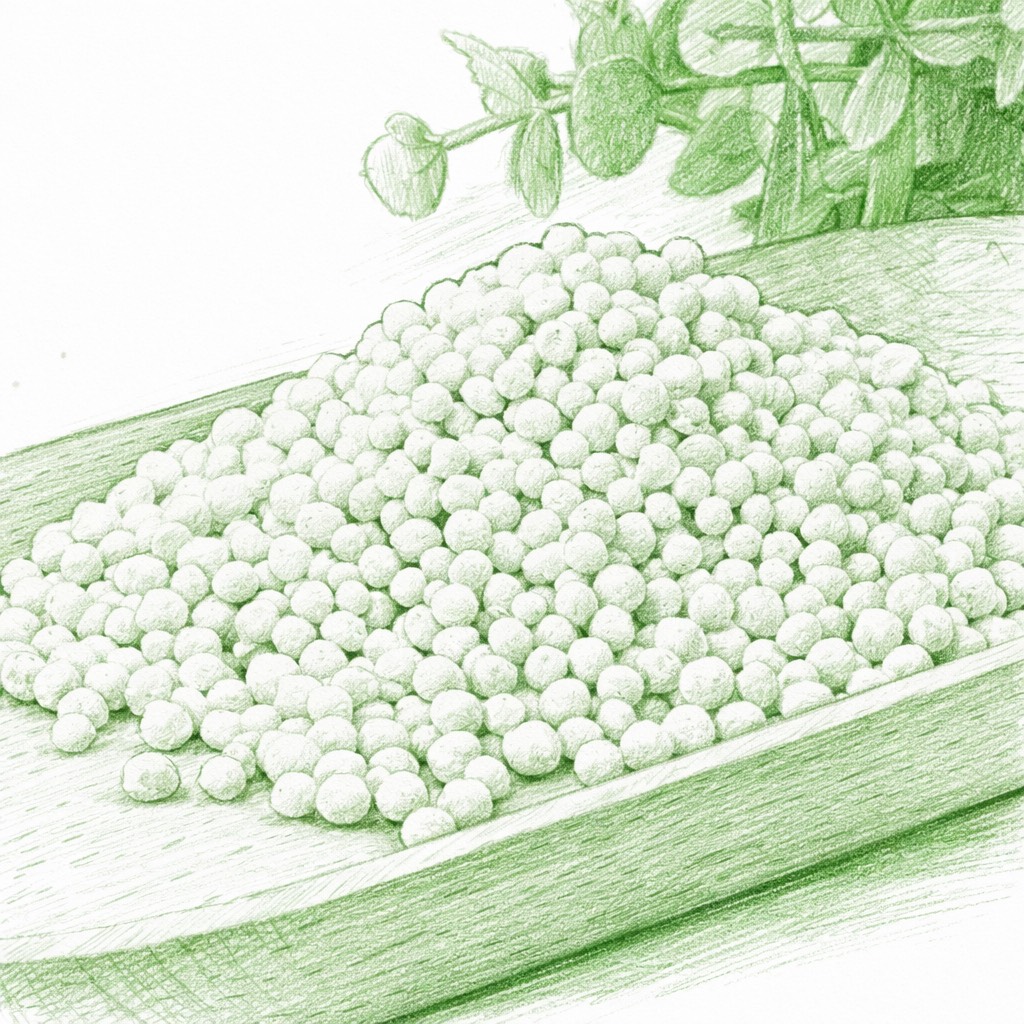
NPK 15:15:15 is a balanced granular compound fertilizer developed for uniform crop nutrition in broad-acre agriculture, vegetable production and perennial plantations. The formula supplies 15% nitrogen (N), 15% phosphorus expressed as P2O5, and 15% potassium expressed as K2O. In practical terms, every 1,000 kg of product delivers 150 kg of each primary nutrient, for a total nutrient concentration of 45%. In a true compound fertilizer, each granule carries the same nutrient ratio, which improves spreading uniformity and helps reduce nutrient segregation during transport, storage and field application.
A reliable 15:15:15 grade begins with agronomic design: soil condition, crop demand, irrigation regime and target yield. Nitrogen may be supplied through ammonium, nitrate and/or amide forms; phosphorus is built through ammonium phosphate chemistry; potassium is supplied from potash sources, most commonly potassium chloride, while sulfate-based potassium sources may be selected for chloride-sensitive crop programs. In true compound production, the nutrient sources are combined before final granulation, so each particle delivers the intended NPK balance directly in the field.
One established industrial route for NPK production is the nitrophosphate process. In this route, phosphate rock reacts with nitric acid to form phosphoric acid and calcium nitrate rather than gypsum, and the nutrient phase is then combined with additional nitrogen and potassium sources to create multi-nutrient compound granules. Other compound-fertilizer routes also combine ammonia, phosphorus acids or ammonium phosphates, nitrogen carriers and potash before final granulation. The manufacturing objective is the same: hard, free-flowing, low-dust granules with consistent particle size, dependable handling and even nutrient placement across the field.
In Central Asia, NPK 15:15:15 is well suited to irrigated systems growing cotton, wheat, maize, rice, vegetables, orchards and other fruit crops. In Europe, it is commonly positioned as a base fertilizer for cereals such as wheat, barley and maize, and for potatoes, sugar beet, vegetables, vineyards and orchards. Because phosphorus and potassium are relatively immobile in soil and perform best close to the active root zone, this grade is frequently incorporated before planting or placed near the root zone, while nitrogen can be adjusted later according to crop stage, soil test results and local agronomic practice.
Used correctly over repeated seasons, balanced NPK nutrition helps reduce hidden nutrient imbalance and supports more stable crop establishment, stronger rooting and more predictable yield potential. Nitrogen drives leaf and stem growth, phosphorus supports root development, energy transfer and crop maturity, and potassium regulates water movement, stomatal activity and drought resistance. For the best long-term result, NPK 15:15:15 should be integrated into soil testing and 4R nutrient stewardship: the right source, at the right rate, at the right time and in the right place.
For distributors and professional buyers, fertilizer quality is judged not only by formula but by consistency. Strong product positioning should therefore emphasize guaranteed analysis, uniform granulation, stable handling, batch traceability and documentation aligned with destination-market requirements. SAM FOS presents NPK 15:15:15 as a professionally positioned granular compound fertilizer from Uzbekistan for dependable agricultural supply and export-oriented cooperation. For EU sales, the regulatory route should be stated correctly: CE-marked EU fertilising products fall under Regulation (EU) 2019/1009 and can circulate across the EU, while non-harmonised fertilising products may also be marketed under applicable national legislation.